

Kavli Oxford researchers to set up their own labs in York and Aberdeen
Kavli Oxford researchers to set up their own labs
in York and Aberdeen
Dr Alex Cook awarded Wellcome Career Development Award to start laboratory at University of York
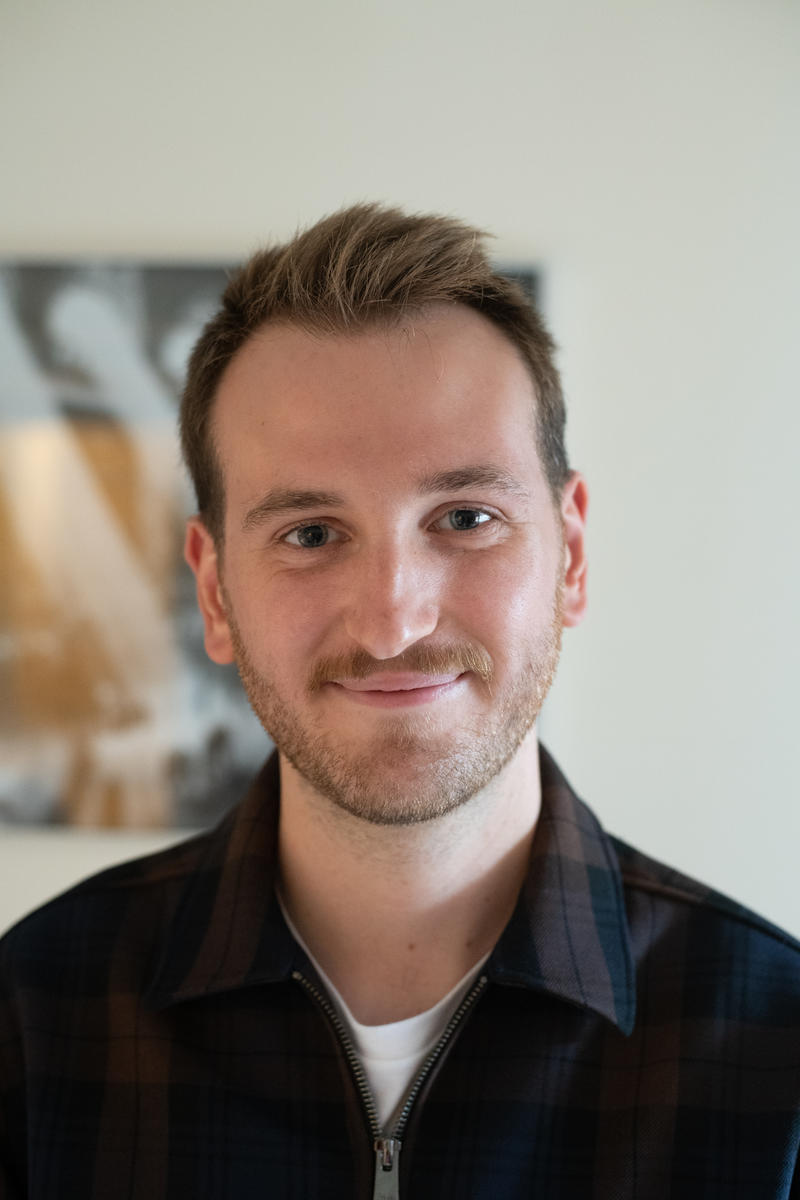
Dr Alex Cook, Research Associate in the Higgins Lab at Oxford University’s Department of Biochemistry and the Kavli Institute for Nanoscience Discovery, has been awarded a Wellcome Career Development Award to start his own laboratory at the University of York.
Alex has been working with the team in Oxford to understand how African trypanosomes avoid being destroyed by an important branch of our immune system. The complement system consists of a set of molecules found in our serum, which recognise and destroy pathogens. Trypanosomes deploy different receptors to help them to avoid being killed by the human complement system. Alex has shown how one of these, ISG65, works and also identified novel receptors for other complement components.
The generous funding from Wellcome will now allow Alex to build on these discoveries in his own research group to fully reveal how trypanosomes evade complement, also aiming to open new approaches for treating inflammatory diseases and vaccination against parasites.
Alex said: ‘I have had the best possible time as postdoc in the Higgins Lab and Department of Biochemistry, and I will miss my colleagues dearly. However, I am really excited to move to the vibrant parasitology and structural biology communities at the University of York in mid-2026 and begin unravelling what cunning immune evasion strategies trypanosomes have evolved.’
Professor Matt Higgins said: ‘Alex has made major contributions to our group, including providing inspiring supervision for some of our master’s and D. Phil. students. We will miss him, but we are excited to see him seize this wonderful opportunity to build his own team and look forward to seeing what he discovers!’
Dr Björn Vahsen appointed SSIG Lecturer in Neuroimmunology at the University of Aberdeen
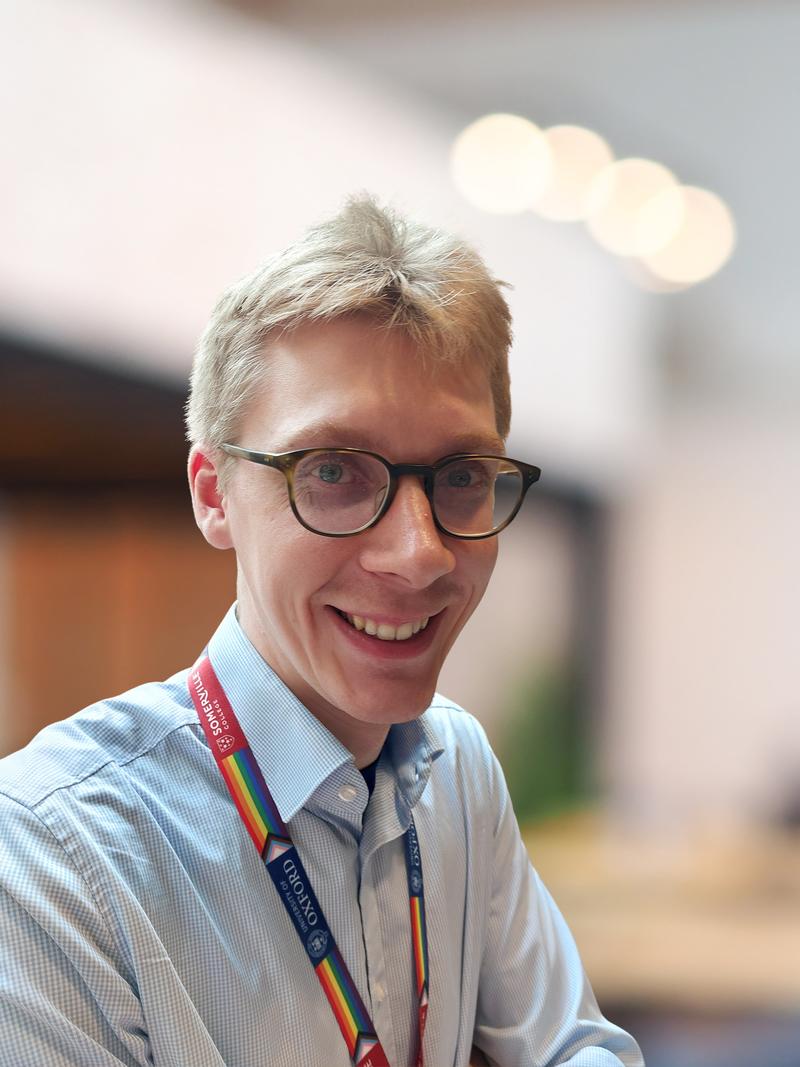
After several years at the Oxford MND Centre, NDCN, and the Kavli Institute for Nanoscience Discovery, Dr Björn Vahsen has been appointed SSIG Lecturer in Neuroimmunology at the University of Aberdeen. Based at the Institute of Medical Sciences, he will establish his own research group investigating the role of microglia in neurodegenerative disease. Björn currently holds an MND Association Lady Edith Wolfson Fellowship, which will continue to support his research following his move to Aberdeen.
At Kavli Oxford, Björn has led research on microglia – the resident immune cells of the brain – and their interactions with neurons in amyotrophic lateral sclerosis (ALS) and frontotemporal dementia (FTD) within Professor Kevin Talbot's lab. His work has contributed to a growing understanding of how genetic causes of ALS and FTD alter microglial function and how immune dysfunction contributes to neurodegeneration.
In Aberdeen, Björn's group will combine human patient-derived stem cell models with advanced imaging and 'omics approaches to investigate how genetic variants and protein aggregation affect microglial biology and how microglia contribute to neurodegeneration in ALS and FTD. A major goal of the lab will be to translate these mechanistic insights into new therapeutic strategies for ALS and FTD.
Reflecting on this next stage, Björn said: ‘My time at Kavli Oxford has been very enriching. The interdisciplinary and collaborative environment has provided a unique opportunity to engage with researchers across a wide range of fields and approaches, which has greatly benefited my research and shaped how I think about scientific problems. I'm excited to take the next step towards independence and establish my own lab in Aberdeen. Building my own group and pursuing new questions about the neuro-immune mechanisms underlying neurodegeneration is a fantastic opportunity, and I'm looking forward to continuing collaborations with colleagues in Oxford and beyond.’

