

Kavli Oxford researchers discover antibody combinations that block over 90% of malaria parasite growth
Kavli Oxford researchers discover antibody combinations that block over 90% of malaria parasite growth
Kavli Oxford researchers in the Department of Paediatrics at the University of Oxford have identified how certain combinations of antibodies can be over 90% effective at preventing malaria parasites from growing.
In collaboration with the Scripps Institute, researchers from the Draper Lab analysed 83 vaccine-induced human monoclonal antibodies (mAbs) against the RIPR malaria protein (which is essential for the parasite to invade red blood cells). They found that certain combinations of mAbs were over 90% effective at limiting parasite growth, through ‘team’ attacks on different parts of the RIPR protein’s ‘tail’. The findings provide the first detailed structural explanation for why vaccine-induced antibody responses against RIPR can be highly effective, even when individual antibodies appear only modestly protective.
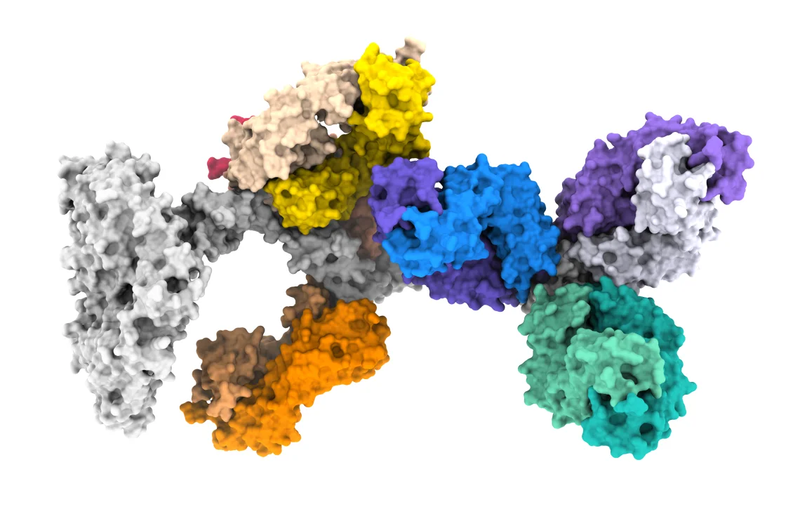
RIPR (RH5-Interacting Protein) plays a critical role in the parasite’s invasion of human blood cells. Image used with permission of the Draper Lab.
Dr Barnabas Williams, Senior Postdoctoral Research Associate in the Draper Lab and senior author of the study, said: "Most vaccine research has focused on identifying individual antibodies that can strongly neutralise a pathogen. What we found here is different: the strongest protection comes from antibodies working together in a coordinated way. Our work shows that effective protection against malaria can emerge from cooperation between antibodies. By understanding these interactions, we can begin designing vaccines that deliberately generate the most effective combinations of immune responses."
Guiding the development of next-generation blood-stage malaria vaccines
Malaria remains one of the world's most significant infectious diseases, causing an estimated 282 million cases and more than 600,000 deaths each year, the majority among young children in sub-Saharan Africa. Symptoms occur when parasites invade and multiply inside red blood cells, making blood-stage vaccines an important area of research. The researchers hope the findings will help guide the development of next-generation blood-stage malaria vaccines capable of delivering stronger and more durable protection against one of the world's deadliest infectious diseases.
You can read more about the Draper Lab's work here.

